
Are Sinking buildings along the South Florida Coastline a Concern?
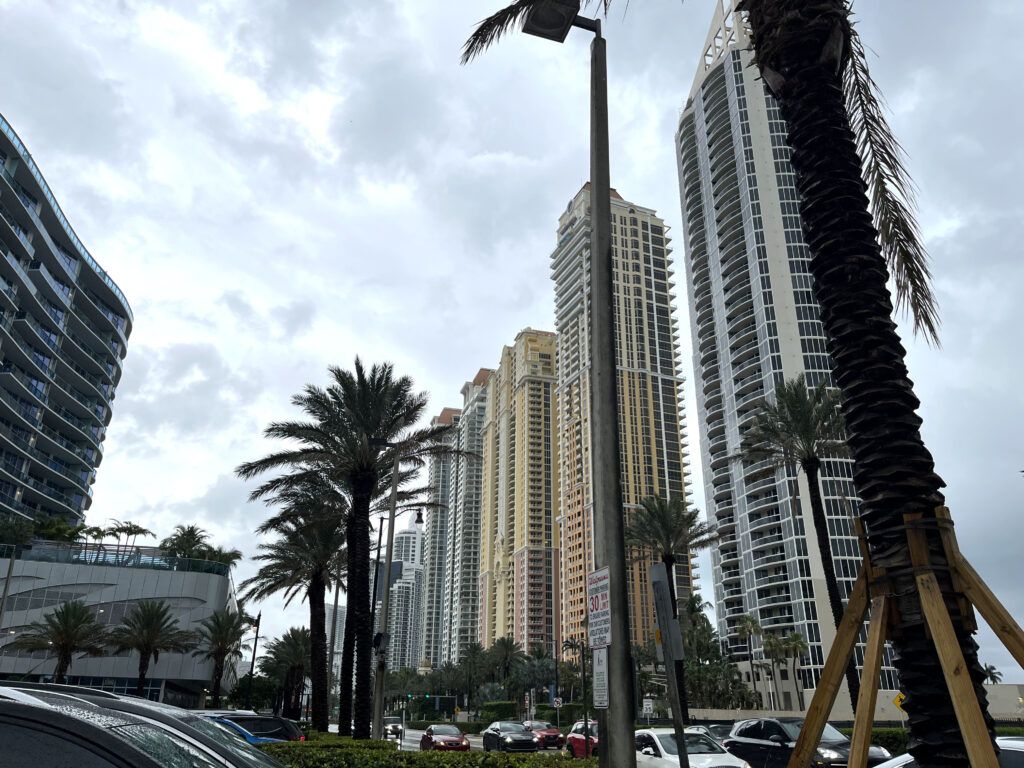
A recent study published in the journal Earth and Space Science has revealed a concerning trend in South Florida: 35 high-rise buildings have sunk by as much as three inches between 2016 and 2023. The findings spotlight areas like Sunny Isles Beach, Bal Harbour, Surfside, and Miami Beach, where some of the region’s most iconic properties are located.
Notable Properties Affected
Among the high-profile structures identified are the Trump International Beach Resort, Porsche Design Tower, Surf Club Towers, and The Ritz-Carlton Residences. These luxurious properties are synonymous with South Florida’s allure, attracting residents and visitors seeking a blend of modern amenities and waterfront views. However, their reported subsidence raises questions about the region’s long-term resilience against natural and man-made challenges.
Investigating the Causes
While the exact causes of the sinking remain under investigation, researchers are exploring several contributing factors. Climate change and rising sea levels are key considerations, as South Florida is particularly vulnerable to these global phenomena. Additionally, nearby construction projects may play a role in exacerbating land subsidence, potentially destabilizing the ground beneath these high-rises.
Professor Paul Chinowsky, a civil engineering expert from the University of Colorado Boulder, explained the risks of “differential subsidence,” or uneven sinking. “If a building’s foundation sinks at different rates, it can lead to structural damage, including cracks, tilting, and potential safety hazards,” Chinowsky warned.
The Need for Long-Term Solutions
The findings underscore the urgent need for further investigation to assess the long-term effects of subsidence on these high-rises and their surrounding communities. Engineers and scientists must determine whether the current trends pose an immediate threat to structural integrity or if preventative measures can mitigate future risks.
South Florida’s allure as a coastal paradise comes with inherent challenges, but proactive measures, including stricter building codes, enhanced monitoring systems, and innovative engineering solutions, could help safeguard its iconic skyline.
As researchers continue to delve into the causes and consequences of this phenomenon, one thing remains clear: the future of South Florida’s high-rises depends on understanding—and addressing—the forces shaping the land beneath them.